
Rhinophyma
| Anesthesia | Local |
| Duration | 30 min - 1 h. |
| Hospitalization | Outpatient |
| Postoperative Care | Antibiotic cream |
| Results | Immediately visible. Settlement 1 year. |
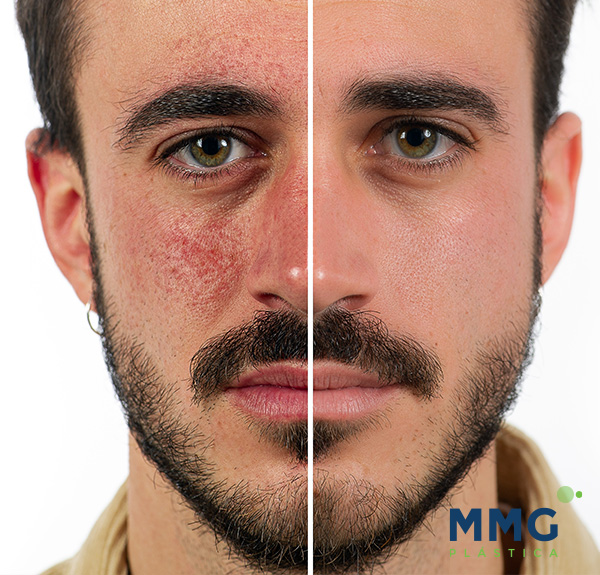
Rhinophyma: An In-Depth Look at This Skin Condition
The rhinophyma, also known as rosacea rhinophymais a skin condition often associated with rosacea. This condition is characterized by a progressive thickening of the skin on the nose, resulting in a bulbous and deformed appearance of this area of the face. In this article, we will explain in detail the rhinophymeincluding its definition, causes, clinical presentation, signs and symptoms, classification, treatment options, and prognosis. In addition, we will discuss the relationship between rhinophyma and rosacea.
Definition of Rhinophyma
Rhinophyma is a severe form of rosacea.
rosacea
a chronic skin disease that primarily affects the skin of the face. It is characterized by excessive thickening of the skin on the nose, resulting in a bulbous and disfiguring appearance. This condition usually develops gradually over time.
Causes of Rhinophyma
The exact cause of rhinophyma is not fully understood, but it is believed to be related to rosacea. Rosacea is a chronic inflammatory skin condition that affects the blood vessels in the face, leading to redness, swelling, and flare-ups. Rhinophyma is a rare but serious complication of untreated or poorly controlled rosacea.
Why Does Rhinophyma Occur?
Rhinophyma is caused by the chronic accumulation of
connective tissue
and
sebaceous glands
on the nose. This leads to an increase in the size and thickness of the skin in the nasal area.
Clinical Presentation of Rhinophyma:
Patients with rhinophyma usually present with the following symptoms and signs:
- Progressive thickening of the nose.
- A bulbous and disfiguring appearance of the nose.
- Persistent redness.
- Rough and rough skin.
- Presence of nodules and bumps in the nose.
Stages or Classification of Rhinophyma
Rhinophyma is a progressive skin condition that primarily affects the nose and is associated with untreated or poorly controlled rosacea. As it develops, rhinophyma can progress through several stages or degrees of severity, ranging from mild skin thickening to severe rhinophyma with significant nasal deformity. These stages or classifications are essential for guiding treatment and understanding the progression of the disease.
- Early-stage or mild rhinophyma: In this initial stage, rhinophyma is characterized by a mild thickening of the skin on the nose. Symptoms may include occasional redness, dilation of superficial blood vessels, and the presence of papules or small bumps on the skin. Often, at this stage, patients may not be aware of the problem, as the changes are subtle.
- Moderate Rhinophyma: At this intermediate stage, rhinophyma becomes more apparent. The skin on the nose becomes even thicker, and symptoms such as redness and the presence of bumps are more noticeable. There may be increased vascularity of the skin, resulting in a flushed appearance. Patients may begin to experience aesthetic and physical discomfort at this stage.
- Advanced or Severe Rhinophyma: At this advanced stage, rhinophyma causes significant nasal deformity. The skin becomes extremely thick, rough, and nodular. The nose may become considerably enlarged, resulting in a bulbous and disfiguring appearance. Blood vessels become prominent, and nasal function may be severely compromised, making breathing difficult. Psychological and emotional symptoms are usually more pronounced at this stage.
It is essential to understand that the progression of rhinophyma can vary from person to person. Not all patients go through all stages, and the rate of progression may differ from case to case. In addition, early detection and appropriate medical care are essential to prevent the condition from progressing to more advanced stages.
Treatment of Rhinophyma:
Treatment of rhinophyma is essential to improve the appearance and function of the nose. Treatment options may include:
- Drug therapy: Topical or oral medications, such as antibiotics and anti-inflammatory drugs, may be used to control the symptoms of the underlying rosacea.
- Surgical procedures: In advanced cases, surgery may be performed to remove excess tissue and reshape the nose. This may involve laser surgery techniques or excisional procedures.
- Laser therapies: Laser treatments
Laser treatments
can help improve the appearance of the skin in mild to moderate cases of rhinophyma by reducing redness and thickening.
It is essential to consult a dermatologist or plastic surgeon who specializes in rhinophyma to determine the best treatment option for each individual case.
Rhinophyma Forecast
The prognosis for rhinophyma is generally good when properly managed. With proper treatment, the appearance of the nose can be significantly improved, and the symptoms of the underlying rosacea can be controlled. However, early detection and treatment are critical to preventing the disease from progressing.
Relationship Between Rhinophyma and Rosacea:
Rhinophyma is a complication of rosacea, and the two conditions are related. Rosacea is a chronic disease that affects the blood vessels in the skin, and if not properly managed, it can lead to the development of rhinophyma. Therefore, it is crucial to treat rosacea effectively to prevent the onset of rhinophyma.
The rhinophyma is a skin condition that primarily affects the nose and is related to rosacea. It is characterized by thickening of the skin on the nose and can be treated with various options, including pharmacological therapies and surgical procedures. Early detection and treatment are essential to improve the prognosis and quality of life of affected patients.
How is rhinophyma surgery performed?
The rhinophyma surgery is performed using a combination of electrocautery and laser to smooth the skin’s texture and restore the rhinophyma to its normal appearance. Dr. Garcia Ceballos has performed this procedure with great success.
Provided you are in generally good health, the rhinophyma procedure will be performed under local anesthesia, with or without sedation. In some cases, the doctor may recommend that rhinophyma surgery be performed under general anesthesia.
After the surgery, a generous amount of gauze soaked in antibiotic ointment is applied for 10 days. You should not go out in public for at least 10 days and should wash the skin on your nose with antiseptic soap daily.
You will be advised to take pain medication for the first week.
Our greatest asset is our customers
The exact cause of rhinophyma is not fully understood, but it is believed to be associated with an overgrowth of sebaceous glands in the nose, which can cause the skin to thicken and become irregular.
Rhinophyma is more common in men than in women and usually affects people over the age of 50. People with fair skin, Celtic or Scandinavian ancestry, and a family history of rosacea are also at increased risk.
The most common symptom of rhinophyma is a large, bulbous nose that is red and has many indentations. Other symptoms may include thickened skin, visible blood vessels, and sometimes small bumps or pustules on the nose.
A dermatologist can usually diagnose rhinophyma by examining the nose and asking about symptoms. Sometimes a skin biopsy may be needed to confirm the diagnosis.
Rhinophyma can be treated using a variety of methods, including surgical removal, laser therapy, and topical or oral medications. The best treatment option will depend on the severity of the condition and the individual’s specific needs.
There is no known way to prevent rhinophyma, but avoiding triggers that worsen rosacea symptoms—such as alcohol, spicy foods, and hot beverages—may help reduce the risk of developing the condition. It is also important to protect the skin from sun exposure and seek treatment for rosacea as soon as symptoms appear.
The cost of rhinophyma surgery can range from 2,000€ to 8,000€, depending on the individual case.
Dr. García Ceballos is a specialist in plastic, aesthetic, and reconstructive surgery. He is based in Palma de Mallorca. You can verify his credentials with SECPRE (Society of Aesthetic and Reconstructive Plastic Surgery). Dr. García Ceballos has extensive experience in the treatment of rhinophyma.
It is advisable to consult a specialist in reconstructive and cosmetic plastic surgery for this type of procedure.